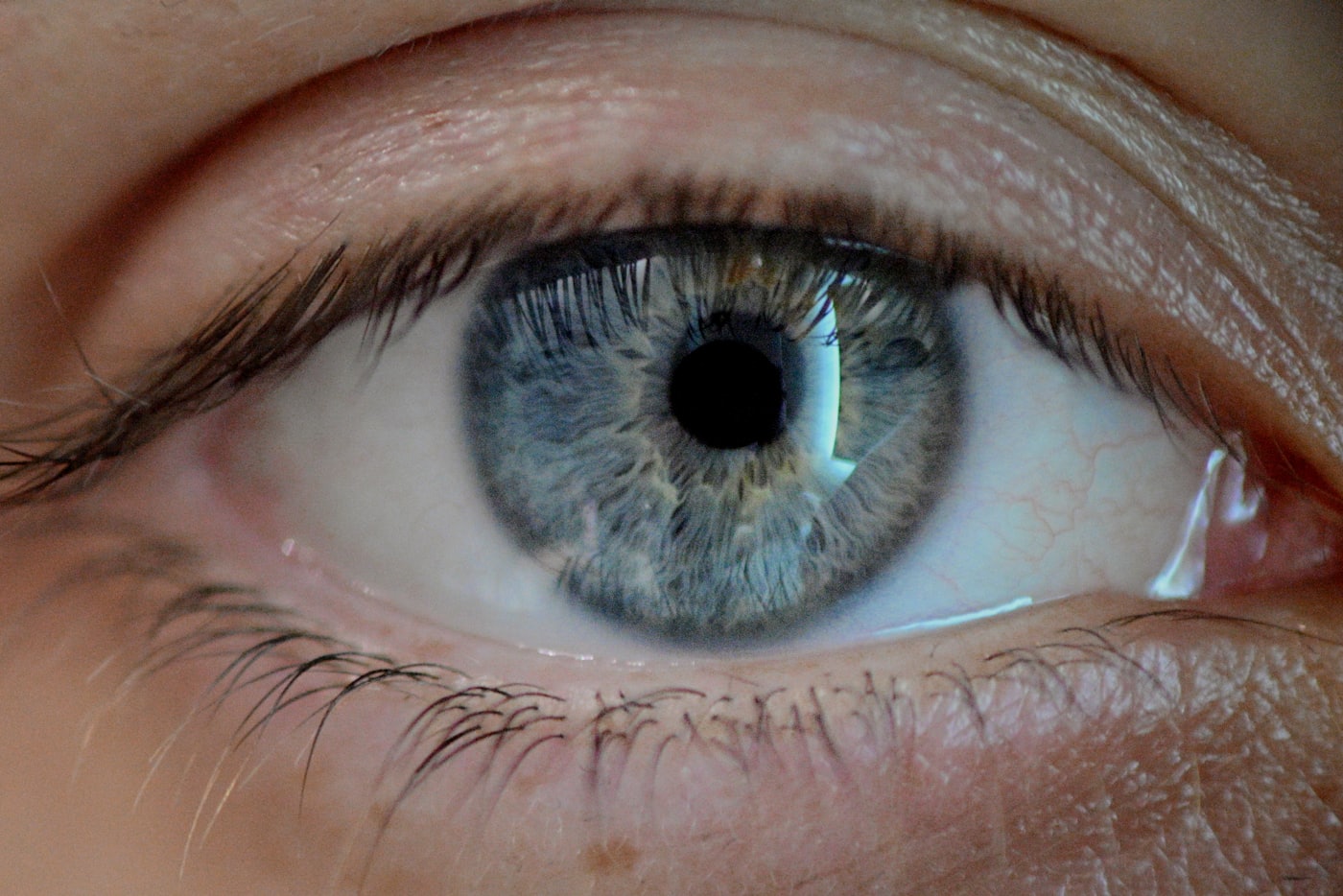
Iridology is the practice of studying the iris — the colored portion of the eye — as a way of observing patterns that may reflect a person's constitution, tendencies, and areas of accumulated stress.
It is an observational practice, not a diagnostic one. An iridologist does not look at the eye to name a disease. We look at it to notice patterns, and then we ask better questions.
For many people, that shift is the whole point. After years of being handed a label without an explanation, being asked what has your body been carrying? lands very differently than being told here is your condition.
A Practice With Long Roots
The modern form of iridology is generally traced to the nineteenth century, when practitioners began cataloguing correlations between markings in the iris and a person's health history. Over the following century, various practitioners developed charts that divide the iris into zones, each associated with a region of the body.
Those charts are best understood as maps of tendency rather than instruments of measurement. Different traditions draw them differently. A thoughtful practitioner treats them as a starting framework, not a verdict.
What an Iridologist Observes
An iris analysis considers several qualities at once. No single marking carries meaning on its own — it is the relationship between them that shapes the picture.
Fiber Density
How tightly woven the iris fibers appear, often associated with constitutional resilience.
Color Variation
Shifts in tone across zones that may point toward areas holding more stress.
Rings & Rims
Concentric patterns traditionally linked to tension, circulation, and elimination.
Openings & Marks
Distinct formations in the fiber structure that may indicate inherited tendencies.
Pupil Behavior
Size and responsiveness, often considered alongside nervous system load.
These observations are then placed beside everything else you bring — your history, your symptoms, your patterns of energy, your daily life. The iris is one input among many, and it is rarely the most important one on its own.
What a Session Actually Looks Like
An analysis usually begins with photographs of each iris taken with specialized lighting and magnification. The images are reviewed carefully rather than glanced at, and the observations are considered alongside an intake conversation about your history and current experience.
The outcome is not a diagnosis. It is a clearer description of the terrain — where your body may be carrying more load, and which foundations are worth supporting first.
Patterns, Not Verdicts
Most people arrive having already collected a list of symptoms that were each addressed separately. Fatigue went to one place. Digestion went to another. Skin went somewhere else. Nobody stepped back to ask whether the same underlying pattern was showing up in three different rooms.
That stepping back is the real work. The iris is a way into the conversation. The conversation is what changes things.
Is This Right For You?
Iridology tends to be most useful for people who want to understand their body's tendencies and build a foundation of support — hydration, minerals, elimination, rest, stress load — rather than those looking for a specific medical answer.
If you are seeking diagnosis or treatment for a condition, a licensed medical provider is the right place to start, and I will say so directly.
Conclusion
Your body has been communicating with you for a long time. Iridology is one way of paying closer attention to that communication — not to label you, but to understand what your system has been adapting to.
Understanding the pattern is what makes informed, sustainable decisions possible.